





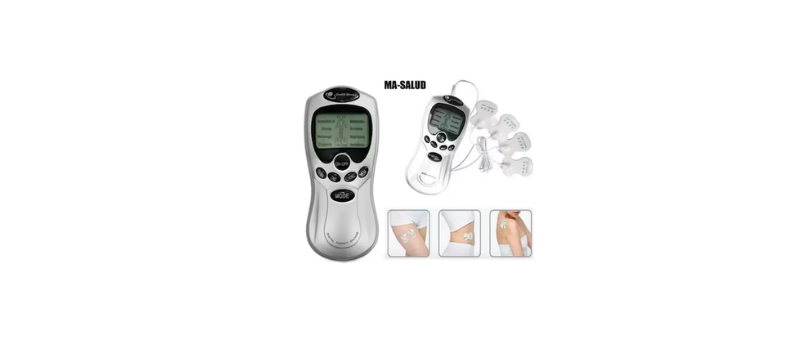
Technology has transformed the way we care for our bodies, and muscular electrostimulators are a clear example. What before seemed exclusive to clinics and rehabilitation centers, today is within reach of anyone looking to improve their physical performance, relieve muscle tension, or complement their training routine from home.
But with the large number of models available in the market, an inevitable question arises: which electrostimulator is appropriate according to your goals and needs? Not all work the same, nor do they offer the same results. Some are designed for athletes seeking to accelerate muscle recovery; others, instead, aim at therapeutic or aesthetic use.
This article is not a simple list of products. It is a comprehensive comparison, based on real opinions, functional tests, and an objective analysis of the pros and cons of the most prominent models of the moment. Here you will not find empty promises, but useful and clear information to make an informed decision.
If you are considering incorporating a muscle electrostimulator into your daily routine, this guide is designed for you. We will guide you step by step so you can choose with judgment and without unnecessary technical complications.
What is a muscular electrostimulator and how does it work?
A muscle electrostimulator is a device that uses low-frequency electrical impulses to activate muscle fibers. Through electrodes placed on the skin, these impulses simulate the signal that the brain would naturally send to the muscle, causing it to contract in a controlled manner.
Although it may seem like a recent technology, its application has been used for decades in medical and sports fields. Today, its use has also extended to the aesthetic field and personal well-being, thanks to more accessible and easy-to-use models at home.
Among its most notable benefits are:
- The muscle strengthening without joint impact,
- Post-workout recovery,
- Relief of tensions and chronic pains,
- And the improvement of circulation in specific areas of the body.
Types of electrostimulation: EMS and TENS
There are two main types of electrostimulation:
- EMS (Electrical Muscle Stimulation): indicated to strengthen muscles, improve muscle tone, or complement training. Widely used in sports physiotherapy and physical conditioning.
- TENS (Transcutaneous Electrical Nerve Stimulation): designed to relieve pain, relax tense areas, and treat injuries. Its effect is more therapeutic than muscular.
Both technologies are safe and effective, provided they are used correctly and with a clear objective.
Detailed analysis of the recommended models
When choosing one of the best muscular electrostimulators, it is essential to go beyond price or brand. Each model offers different functions that adapt to specific goals, from muscular stimulation for sports purposes to therapeutic recovery or aesthetic treatment. This buying guide presents six of the most prominent devices on the market, analyzing their advantages, limitations, and most recommended uses.
1. Compex Fit 5.0
This model ranks among the best electrostimulators for athletes. Its EMS technology allows working on specific areas such as the glutes, abdomen, or legs with programs for strength, muscular endurance, and recovery.
Pros:
- Wireless connectivity without power loss
- Clear LCD screen and easy to use
- Includes massage, toning, and strength improvement programs
- Long-lasting rechargeable battery
- Allows easy placement of electrodes according to the muscle group
Contras:
- High price
- App with room for improvement
Opinions:
Effective for targeted muscle work and post-workout relaxation. Highly valued by those seeking to improve physical performance safely.
2. Beurer EM 49
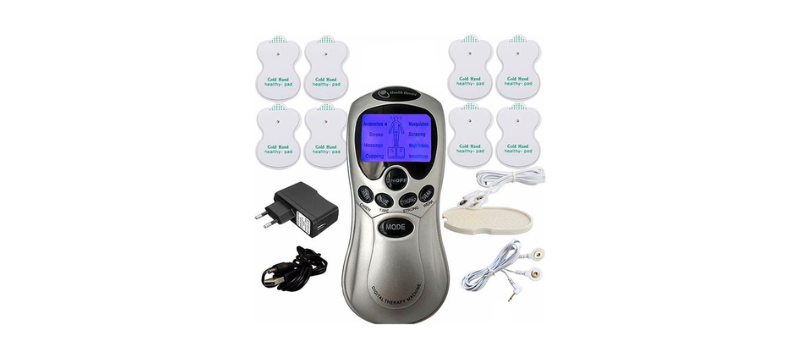
This stimulator combines transcutaneous electrical nerve stimulation (TENS) and EMS, ideal for relieving muscle pains and toning. It has more than 60 programs and allows work for both therapeutic and aesthetic purposes.
Pros:
- Integrates EMS and TENS
- Backlit LCD screen
- Good option to relax the muscles
- Rechargeable and affordable
Contras:
- The wiring can be bothersome
- Does not include conductive gel
Opinions:
Very useful for people with recurrent discomfort. Valued for its ease of use and good value for money.
3. Bluetens Classic
A compact model, ideal for relieving localized pains and toning areas such as abs, lower back, or legs. Its app control allows access to treatments specific to the area.
Pros:
- Control from smartphone
- Very light and portable
- Perfect for quick muscle stimulation sessions
- Long-lasting rechargeable battery
Contras:
- Less powerful for advanced training
- Requires compatible mobile app
Opinions:
Ideal for those seeking a practical and reusable solution. Highly recommended for daily use at home or in the office.
4. Med-Fit TENS 24
Designed for therapeutic purposes, this electrostimulator focuses on treating chronic pain. It does not include toning programs, but is highly effective in pain reduction with transcutaneous electrical nerve stimulation.
Pros:
- Effective pain relief
- Easy to use
- Fine-tuning of frequencies
- Ideal for relaxing the muscles and reducing chronic discomfort
Contras:
- Not suitable for toning or increasing strength
- Simplistic design
Opinions:
Valued by users with chronic joint or muscular problems. Also useful in supervised rehabilitation processes.
5. PowerDot 2.0 Duo
One of the most complete devices, with personalized programs and full control from the mobile. Ideal for athletes who want to optimize performance with advanced muscle stimulation.
Pros:
- Cable-free and with independent channels
- App with routines by area (legs, glutes, abdomen)
- Very effective for muscle work
- Compatible with iOS and Android
Contras:
- Expensive
- Some features require subscription
Opinions:
A professional tool with excellent performance. Ideal for those seeking to improve strength, endurance, and speed up recovery.
6. TensCare Sports TENS 2
This model is a balanced option between aesthetics and therapy. It combines EMS and TENS, and allows addressing areas such as glutes, arms, or abdomen.
Pros:
- Good variety of massage programs
- Works with independent channels
- Easy-to-use physical buttons
- Compact and reusable design
Contras:
- Not wireless
- Appearance somewhat dated
Opinions:
Highly recommended for those looking for a rechargeable, functional electrostimulator easy to use at home, both for toning and relieving muscle discomfort.
Pros and cons of electrostimulators in general
After analyzing different devices, including some of the best electrostimulators on the market, it is possible to draw a general balance about their real usefulness. These devices, present in any comparison of the 7 best electrostimulators, have gained prominence in the fitness, physiotherapy, and sports training world thanks to their versatility, adjustable design, and ease of use both at home and in professional settings.
Common benefits
One of the main attractions of an electrostimulator is its ability to activate the musculature without direct physical effort, making it an ideal support tool for people in rehabilitation, athletes, or any user who wishes to supplement their fitness or sports training routine.
The most advanced models allow working multiple zones of the body with 4 channels or more, which facilitates simultaneous muscle stimulation in different muscle groups. It is also common to find devices with predefined programs for toning, recovery, massage, and relaxation, which help reduce muscle fatigue and relax the muscles after intense effort.
Additionally, electrostimulators with TENS technology offer localized pain relief, without the need for medications, being especially useful for chronic discomfort or muscle tensions.
General limitations
Despite their benefits, it's important to understand that electrostimulators are not a magical solution. Their effectiveness largely depends on consistent use, choosing the correct program, and proper electrode placement. Many devices require adjustable settings and some experience to obtain optimal results.
There are also marked differences between models. The most basic ones may lack advanced options, sufficient power, or multiple channels, which limits their effectiveness, especially in more demanding sports training sessions.
When they are NOT recommended
Although the best electrostimulators are safe when used correctly, there are situations in which their use is not recommended. People with pacemakers, severe heart conditions, epilepsy, or pregnant women (unless medically authorized) should avoid using these devices. They should also be avoided if there are open wounds, skin infections, or active inflammations.
As a general rule, it is always advisable to consult a health professional before starting any muscle stimulation treatment, especially if there are pre-existing medical conditions.
Tips to choose the best electrostimulator according to your needs
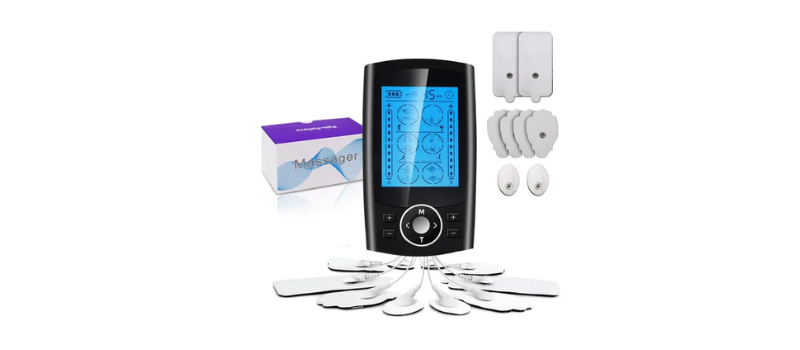
Choosing a muscular electrostimulator is not as simple as looking for the most expensive or the most popular. Each user has different goals, and it is precisely this difference that should guide the choice. Below we offer a practical guide to identify what type of device best fits your specific needs.
For sports use
If you practice sports frequently, whether amateur or professional, you need an electrostimulator that combines programs for strength, endurance, muscle recovery, and relaxation. In this case, it is essential to opt for a model that offers good power, multiple stimulation channels, and, if possible, wireless connectivity for greater convenience during use.
Recommendation:
The Compex Fit 5.0 or the PowerDot 2.0 Duo sare excellent options. Both feature programs designed specifically to complement intense training, reduce recovery time, and prevent injuries.
For rehabilitation or physiotherapy
For those recovering from an injury or suffering chronic ailments, the most appropriate device is one that includes TENS technology, focused on pain relief and nerve stimulation. In these cases, ease of use and safety are key factors.
Recommendation:
The Beurer EM 49 is a very complete option, as it combines EMS and TENS in one device. The Med-Fit TENS 24 also stands out, ideal for localized pain treatments with adjustable settings.
For aesthetics or toning at home
If your main goal is to improve muscle tone, reduce sagging, or complement a light home exercise routine, you can opt for a simpler model but with well-defined toning programs.
Recommendation:
The Bluetens Classic adapts well to this profile. Its control from the mobile and the variety of programs make it easy to use daily. The TensCare Sports TENS 2 is also effective for maintaining muscle tone without intense physical effort.
Conclusion: choosing the right electrostimulator makes a difference
Muscle electrostimulation has stopped being an exclusive technology of clinics and elite athletes to become an accessible, effective, and versatile tool for daily physical care. Whether to improve sports performance, accelerate recovery after an injury, relieve muscle pain, or simply tone from home, there is an electrostimulator model adapted to every need.
Throughout this comparison, we have analyzed some of the most valued models on the market, highlighting their strengths, possible limitations, and recommended uses. It is clear that there is no single perfect device for everyone, but that the best choice will always depend on your personal goals, your level of experience, and the type of use you want to give it.
If you are thinking of incorporating an electrostimulator into your routine, this may be the ideal moment. With consistent and proper use, the benefits are quick to be noticed, both physically and in general well-being. That said, always remember to follow the manufacturer’s instructions and, in case of medical doubts, consult with a health professional.