





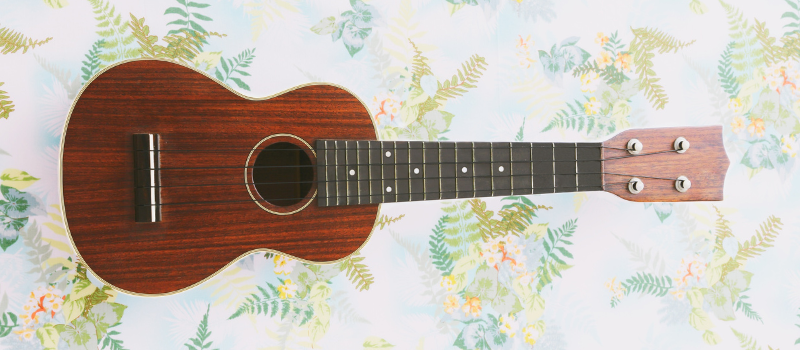
Choosing a good ukulele isn't as simple as it seems. Although at first glance they all share a similar shape and a cheerful, tropical sound, there are key differences that can directly influence the experience of the player. Whether you're taking your first steps into the world of music or you have years of practice, finding the right instrument can make the difference between a frustrating experience and a real connection with the instrument.
The current market offers a wide variety of models, sizes, materials and prices. This can be overwhelming, especially if you're not clear on what to look for or which options are best suited to your level. Moreover, not all ukuleles behave the same: some are designed to facilitate learning, while others offer specific features that make them more attractive to experienced musicians.
In this comparative guide, we will help you understand what type of ukulele best fits your needs, analyzing the models most recommended for beginners and advanced players. We will also share key tips to make an informed and durable decision. If you're thinking about buying a ukulele —for the first time or as an upgrade— this article is the ideal starting point to choose with confidence.
What is a ukulele and why is it so popular?
The ukulele is a plucked-string instrument, compact, light, and with a warm sound that has made it one of the favorites for both enthusiasts and professional musicians. Its appearance may resemble a small guitar, but its sonic personality is unique. Over the years, its popularity has grown steadily, and today we find it in multiple musical genres, from pop and folk to indie and tropical music.
Brief history of the ukulele
The origin of the ukulele dates back to the 19th century, when Portuguese immigrants brought to Hawaii an instrument called “machete” or “braguinha.” Local artisans adapted it, modified its structure, and shaped the ukulele as we know it today. Its name, which in Hawaiian means “jumping flea,” refers to the speed at which the fingers move when playing it.
In the early 20th century, the ukulele became popular in the United States thanks to its cheerful sound and ease of playing. Since then, it has had several spikes in fame, especially with contemporary artists who have incorporated it into recordings and live performances. Today, models such as the soprano ukulele or the tenor ukulele are among the most sought after by musicians of all levels.
Main characteristics of the instrument
The ukulele is distinguished by its compact size, its body usually made of wood —including spruce, highly valued for its resonance— and its four nylon strings. There are several types of ukulele: soprano, concert, tenor and baritone, each with its own tonal range and particular characteristics. Choosing between a soprano ukulele or a tenor ukulele, for example, will depend on the music style, playing comfort and the performer's level of experience.
Its most common tuning is G-C-E-A (Sol-Do-Mi-La), which facilitates playing simple chords and basic musical progressions. Additionally, its lightweight construction makes it a comfortable instrument to transport and handle, even for small hands.
Why it is ideal for beginners and advanced musicians
For those starting out in music, the ukulele offers an accessible learning curve. Its small number of strings and the chord layout allow for quick progression, which motivates ongoing practice. Many opt to begin with well-known brands that offer a good balance between quality and price. Choosing a good ukulele brand can be key to having a positive learning experience.
In the hands of experienced musicians, the ukulele becomes a versatile tool. Despite its apparent simplicity, it offers a wide range of sonic nuances, advanced playing techniques and creative possibilities that make it perfect for both studio and stage. This has been reflected in the growing interest in mid- and high-range instruments through 2026, with new lines launched by more than one prominent ukulele brand.
This balance between simplicity and depth explains why the ukulele continues to gain fans worldwide.
Types of ukuleles: which to choose according to your level? Comparison
When choosing a ukulele, one of the most important factors to consider is the size of the instrument. This aspect not only influences playing comfort but also the sound, projection and tuning. There are four main types of ukulele: soprano, concert, tenor and baritone. Each has particular characteristics that make it more suitable for certain levels of experience and interpretation styles.
Next, we present a detailed guide to each type of ukulele, with its advantages and disadvantages, to help you make the best decision according to your level and musical needs.

Ukulele soprano
The soprano ukulele is the smallest and most traditional of them all. It generally measures between 51 and 53 cm in length, and it is the type closest to the original Hawaiian design.
Advantages:
- Light and easy to carry.
- Ideal for children or people with small hands.
- Bright, sharp sound characteristic of the classic ukulele.
- Perfect for beginners looking for an affordable and basic instrument.
Disadvantages:
- Reduced space between frets, which can make fretting difficult for large hands.
- Lower volume and sound projection compared to larger models.
- Less suitable for advanced techniques due to its small size.
Recommended level: Absolute beginners, children, or people seeking a simple introduction to the instrument.
Ukulele concert
The concert ukulele, also known as “concert,” is slightly larger than the soprano, with a length of approximately 58 to 60 cm. This intermediate size offers an ideal balance between comfort and sound quality.
Advantages:
- Greater space between frets, which makes learning chords easier.
- Warmer sound with better projection than the soprano.
- Suitable for longer practice sessions without fatigue.
- Versatile for various genres and styles.
Disadvantages:
- Slightly less portable than the soprano.
- May cost a bit more, though still affordable.
Recommended level: Beginners who want to progress quickly and intermediate players who seek more comfort and richer sound.
Ukulele tenor
With an approximate length of 66 cm, the tenor ukulele offers a larger body and a deeper sound. It is one of the preferred options for experienced performers or those who want greater expressiveness.
Advantages:
- Deeper, warmer sound with greater volume.
- Wider fret spacing, allowing greater fret-hand precision.
- Ideal for fingerstyle, solos and more advanced techniques.
- Good projection for live performances or recordings.
Disadvantages:
- May be uncomfortable for children or people with small hands.
- Less portable.
- Generally more expensive than the soprano and concert.
Recommended level: Intermediate and advanced players seeking greater tonal range and control in performance.
Ukulele baritone
The baritone ukulele is the largest of the four, with a length close to 74 cm. Its tuning (D-G-B-E) is the same as the first four strings of the guitar, which makes it very appealing for guitarists who want to explore the world of the ukulele.
Advantages:
- Deep, rich sound with excellent resonance.
- Easy transition for those who already play guitar.
- Perfect for complex harmonic accompaniments and melodic explorations.
Disadvantages:
- Does not use the standard ukulele tuning (G-C-E-A), which can make reading tablatures difficult for beginners.
- Fewer model options on the market.
- Larger size and less practical to transport.
Recommended level: Advanced musicians, guitarists or performers seeking a different sound within the ukulele universe.
Comparison: best ukuleles for each user type
Choosing the right ukulele depends not only on the type or size of the instrument, but also on the musician's level of experience and how it will be used. There are models designed specifically to facilitate learning, others that offer balanced performance for those who already have some experience, and high-end options aimed at advanced users or professionals.
Below, we present a selection of ukuleles recommended according to the user's level. This comparison is based on factors such as value for money, construction, sound, and the reputation of each brand in the market.
Beginner ukuleles (value for money)
For those taking their first steps with the ukulele, it's essential to have an affordable, easy-to-play model that offers a minimum quality to learn without frustration. Here are some standout models:
- Donner DUC-1 (concert): One of the most popular beginner models. It offers an excellent value for money, includes accessories such as a tuner, case and extra strings. It sounds good for its price range and is comfortable to start with.
- Kala KA-15S (soprano): Ideal for those seeking a traditional ukulele with good sound and solid construction. Kala is a benchmark brand in the sector, and this model is a safe bet to start on the right foot.
- Flight TUS-35 (soprano plastic/wood): Durable and with an attractive design, ideal for kids or for those who want to take it everywhere without worrying about bumps or humidity. Good sound considering the materials.
- Enya Nova U (concert): Made of polycarbonate, it is ultra-light, durable and with a surprisingly balanced sound. Includes hard case, tuner and Aquila strings. Perfect for learning and taking anywhere.
Why are they ideal? They are affordable, comfortable, durable and allow for a smooth learning curve without compromising too much on sound.
Intermediate ukuleles (better performance without going professional)
Those who already master the basic chords and want an instrument that offers more depth of sound, better feel and finer finishes should opt for mid-range models such as the following:
- Kala KA-CG (concert): Offers a warm tone thanks to its mahogany top and an elegant finish. Provides a notable qualitative leap over basic models while keeping a reasonable price.
- Cordoba 15TM (tenor): With a mahogany body and solid construction, this model provides a fuller sound and enough projection for small rehearsals or home recordings.
- Luna Tattoo Concert: Aesthetically striking, with engravings inspired by Polynesian tattoos. Good sound, good projection and comfort. Ideal for those seeking something different without sacrificing quality.
- Ohana CK-35G (concert): A model that stands out for its clear sound and excellent finish. Suitable for those looking to improve their technique and explore more complex styles.
Why are they ideal? They provide greater tonal richness, better comfort and higher-quality materials without reaching professional prices.
Ukuleles for advanced users (premium quality)
For experienced or professional musicians, the ukulele is not just an instrument, but a tool for expression. At this level, you seek superior sound quality, selected woods, artisanal finishes and a more precise response.
- Kanile’a K-1 Concert: Made in Hawaii with solid koa woods, it sounds as good as it looks. It is one of the most respected brands by professional musicians.
- (tenor): Another renowned Hawaiian manufacturer. This model offers a warm and balanced tone, with exceptional projection and sustain.
- KoAloha KTM-00 (tenor): Bright and powerful sound. Excellent for stages, studios or recordings. Its slightly different shape makes it comfortable and distinctive.
- Pono ATD (tenor acacia): Ko’olau's premium brand, offers a high level of detail in construction and sound. Elegant finish and excellent tonal balance.
Why are they ideal? For their responsiveness, harmonic richness, durability and customization possibilities. They are instruments designed for the long term and for professional demands.
Key factors to consider before buying a ukulele
Buying a ukulele may seem straightforward, but if you want to make a sound choice, it's important to analyze several aspects before making a decision. It's not just about choosing the prettiest or cheapest model, but about finding an instrument that fits your needs, skills, and musical expectations. Below are the main factors you should consider to get your purchase right.
User's level of experience
One of the first elements to consider is your level as a musician. Are you a beginner, intermediate, or advanced? This simple question can help you rule out many options.
For beginners, the ideal is to opt for a ukulele that is easy to play, lightweight and well-tuned. Budget models from recognized brands can be enough to learn without trouble. On the other hand, if you already have experience, you might look for an instrument with better sound response, higher-quality materials or even specific features such as equalizers or amplification capability.
An advanced user may also prefer a professional model that allows exploring different techniques, recording in a studio or performing live.
Size and type of the ukulele
As mentioned above, there are different sizes of ukulele: soprano, concert, tenor and baritone. The choice of size directly influences playing comfort and the type of sound you will get.
- Soprano: smaller and traditional, ideal for children or people with small hands.
- Concert: offers greater comfort and a fuller sound, excellent for beginners and intermediate users.
- Tenor: preferred by advanced musicians thanks to its strong sound and space between frets.
- Baritone: tuned differently, with a deeper sound, ideal for guitarists or experienced performers.
Choosing the right type according to your level and musical style is key to feeling comfortable with the instrument.
Construction materials and sound quality
The materials used to make a ukulele directly influence its durability and the type of sound it produces. The most common are:
- Solid wood: yields a warmer, deeper sound with greater resonance. They are usually found in mid- to high-range models.
- Laminated wood: more affordable and durable, though with lower sound projection. Perfect for beginners.
- Synthetic materials (plastic, polycarbonate): lightweight, climate-resistant and very suitable for traveling or for kids, although they sacrifice some sound quality.
Besides wood, it is also important to pay attention to finishes, the type of strings and the quality of the nut and frets.
Budget and value for money
The price of a ukulele can vary considerably, from basic models for less than 50 dollars to professional instruments that exceed 500. It isn't always necessary to invest a lot to start, but it is important to look for a good value for money.
Avoid extremely cheap instruments from unknown brands, as they may present tuning problems, low durability or poor sound. Instead, look for well-known brands in the sector, which offer warranty and a good reputation.
A moderately budgeted investment can offer you a reliable instrument that accompanies your learning for a long time.

Included accessories (case, tuner, strings, etc.)
Many ukuleles, especially those aimed at beginners, are sold in kits that include essential accessories to start playing right away. Some of the most useful are:
- Case: protects the instrument during transport.
- Digital tuner: essential for keeping the ukulele in tune and developing your ear.
- Spare strings: always useful for emergencies or scheduled changes.
- Nut, strap and picks (although these are not always used on ukulele).
Having these accessories not only makes starting easier, but can also represent significant cost savings.
Conclusion
The ukulele is much more than a small stringed instrument: it is an accessible, versatile and stimulating gateway to the world of music. Whether you're starting from scratch or already have experience, choosing the right model can make a big difference in your musical development.
As you have seen throughout this guide, there are different types of best ukuleles, each with characteristics that fit different levels, styles and goals. Understanding the differences between a soprano, concert, tenor or baritone, as well as knowing the materials, accessories and recommended brands, will allow you to make an informed decision aligned with your needs.
Investing in a well-chosen ukulele —whether to learn, improve or professionalize your playing— is a bet on a more rewarding, durable and enriching musical experience. Today, there are quality options for every budget, so you don't need to spend a fortune to start on the right foot.
In short, if you're looking for an instrument to enjoy, learn and express yourself with, the ukulele is an excellent choice. You only need to find the one that best fits you.