





Vitamin D has gone from being a simple supplement to becoming a fundamental ally for health, especially in times when modern living keeps us away from the sun. Although its fame has grown, many people still face the same question: what type of vitamin D should I buy and which one is best for me?
There are dozens of options on the market, each with different formulas, doses and promises. Some come in drops, others in capsules; some are plant-based, others animal-based. And to make matters more confusing, between D2 and D3, the confusion can be even greater.
But choosing the ideal vitamin D shouldn’t be complicated or require a nutrition degree. That’s why we’ve prepared this practical and clear guide, designed to help you make an informed decision based on your needs, lifestyle and health goals.
Whether you’re looking to strengthen your immune system, improve your mood, or simply prevent a deficiency, here you’ll find the key factors you should consider before buying.
Keep reading and discover how to choose the perfect vitamin D for you, without wasting time or money on ineffective products.
What is vitamin D and why is it so important?
Vitamin D is a fat-soluble vitamin essential for the proper functioning of the body. Unlike other vitamins, the body can produce it naturally through sun exposure, though it is also found in some foods and supplements. Its importance goes far beyond what many imagine, as it participates in vital functions that affect everything from bones and teeth to the immune system.
Main functions in the body
One of the best-known roles of vitamin D is its involvement in the absorption of calcium and phosphorus, minerals fundamental for keeping bones strong and healthy. Without adequate levels of this vitamin, the body cannot properly absorb these nutrients, which can lead to bone problems over time, including the risk of osteoporosis.
But its role doesn’t stop there. It also contributes to the proper functioning of the immune system, helping the body defend itself against infections. It also influences muscle function, the nervous system and cardiovascular health. Recent studies have even suggested a link between optimal vitamin D levels and better mental health, associating it with the prevention of conditions such as mild depression or seasonal affective disorder.
The proper functioning of vitamin D in the body also depends on other nutrients, such as magnesium and vitamin K2, which help direct calcium to the bones, preventing its buildup in soft tissues.
Consequences of deficiency
Vitamin D deficiency is more common than you might think, especially in people who live in areas with little sunlight, spend a lot of time indoors or have diets low in foods rich in this vitamin. It can also affect older individuals or those with certain medical conditions.
When levels are low, the body begins to show signs that may seem mild at first: persistent fatigue, muscle pains or a feeling of weakness. In the long term, deficiency can lead to more serious diseases such as osteomalacia in adults, rickets in children, or an increased predisposition to bone fractures. It has also been linked to a weakened immune system and an increased risk of chronic diseases.
Therefore, maintaining adequate vitamin D levels at the dose recommended for each case is essential for overall health. If this cannot be achieved through diet and sun exposure, it is advisable to take vitamin Dvia a reliable supplement, ideally one that also combines vitamin K2 and magnesium to boost its effectiveness.
Types of vitamin D: Which is best for you?
When you decide to start supplementing with vitamin D, the first thing you notice is the wide range of options available. Not only are there different brands and formats, but also different types of vitamin D, each with its own characteristics and benefits. Choosing the most suitable one can seem daunting, but with the right information, the decision becomes much easier.
Vitamin D2 vs D3: key differences
There are mainly two forms of vitamin D: D2 (ergocalciferol) and D3 (cholecalciferol). Both help raise vitamin D levels in the body, but they are not exactly the same.
Vitamin D2 generally comes from plant sources and is produced by exposing certain fungi to ultraviolet light. It is often found in cheaper supplements or fortified products such as some cereals or plant-based drinks.
On the other hand, vitamin D3 is the most effective and bioavailable form. It is better absorbed and remains longer in the body. This is the form that the body naturally produces when the skin is exposed to sunlight, which makes it the most recommended option for those seeking effective and sustained supplementation.
Numerous studies have shown that D3 increases serum vitamin D levels more efficiently than D2, so many experts agree that if you have to choose between the two, D3 is usually the preferred option.
Animal- and plant-based sources of vitamin D3
Traditionally, vitamin D3 has been obtained from animal sources, especially lanolin (a substance found in sheep’s wool). However, this can be a problem for those following vegan or strict vegetarian diets.
Fortunately, today there are 100% plant-based vitamin D3 supplements, made from lichens, a natural source that does not involve animal products. These supplements are an excellent alternative for people who want to maintain their vitamin D intake without compromising their ethical or dietary principles.
Both versions, animal and plant-based, offer the same efficacy. What matters is to check the label to see that it is D3 and that it clearly states whether it is suitable for vegans or vegetarians.
Available formats: capsules, drops, tablets
- Besides the type of vitamin, the format in which it is presented also influences your choice. The most common options include:
- Soft gels: They are easy to swallow, have good absorption and usually contain vitamin D dissolved in oil, which favors its bioavailability.
- Drops: Very practical, especially for children, older people or those who have difficulty swallowing pills. They allow precise daily dosing.
- Tablets or pills: More stable and easy to store, although absorption may depend on taking them with fatty foods.
- Oral sprays: Becoming increasingly popular, they are applied directly in the mouth and promise rapid absorption through the buccal mucosa.
In the end, the best vitamin D will be the one that fits your lifestyle, personal needs and ethical preferences. The essential thing is to ensure you choose an effective form, with an appropriate dose and from a reliable manufacturer.
Factors to consider before buying vitamin D
Before choosing a vitamin D supplement, it’s wise to consider certain factors that can influence the dose, type and format most suitable for you. We all have different needs, and a correct choice starts with understanding your personal situation. Below I share the key aspects to consider to make an informed and truly useful purchase.
Age, lifestyle and sun exposure
One of the factors that most influences the need to supplement vitamin D is age. As we age, the skin’s ability to synthesize vitamin D through the sun decreases. That’s why older adults often require an extra intake, even if they are regularly exposed to the sun.
Lifestyle also plays an important role. If you work indoors, spend most of the day at home, or frequently use sunscreen, your natural vitamin D production is likely low. This also applies to those living in areas with long winters, cloudy skies or little direct solar radiation.
Limited sun exposure, combined with modern routines, means many people, even young ones, have levels below the recommended without even noticing.
Laboratory tests: should you get a test?
Although not always necessary, having a blood test to measure vitamin D levels can be very useful, especially if you suspect a deficiency or if you belong to a risk group (older adults, pregnant women, people with autoimmune diseases, etc.).
This test measures the concentration of 25(OH)D, the circulating form of vitamin D in the body. Based on that result, your doctor can tell you whether you need supplementation, at what dose and for how long. This way, you avoid self-medication and consuming more than necessary, which can also have negative consequences.
Alergias, intolerancias y tipo de dieta
Finally, it’s important to consider if you have food allergies or dietary restrictions. Some supplements may contain traces of gluten, lactose, soy or animal-derived gelatin.
If you follow a vegan or vegetarian diet, ensure you choose a plant-based vitamin D3 (from lichens) and certified as suitable for your type of diet.
Carefully checking the labeling is essential, as not all products are the same in terms of purity, additional ingredients and manufacturing quality.
How to choose a good vitamin D brand
In a market saturated with supplements, knowing how to choose a reliable vitamin D brand can make the difference between getting an effective product or simply wasting money. It’s not enough to be swayed by advertising or the lowest price. There are certain fundamental aspects that can help you identify a safe, high-quality option suitable for your needs.
What a reliable label should have
The product label is the first point you should check. A good label should be clear, detailed and honest. Look for the following:
- Type of vitamin D (specifying whether it is D2 or D3).
- Exact amount per dose (expressed in IU or micrograms).
- Format and recommended use.
- Additional ingredients, such as oils, excipients or preservatives.
- Absence of common allergens (gluten, lactose, soy, etc.), if applicable.
Be wary of products with vague labels, lacking precise nutritional information or with unclear ingredients. Transparency is a key sign of quality.
Quality and origin certifications
Another key aspect are the certifications. These guarantee that the product has been produced under specific safety, purity and traceability standards. Some of the most valued are:
- GMP (Good Manufacturing Practices): ensures good manufacturing practices.
- ISO: international quality standards.
- Vegan or vegetarian certification, if you’re looking for a product free from animal derivatives.
- Cruelty-free, if you prioritize animal welfare.
- Organic certifications, when it comes to products with natural ingredients.
Also, if the D3 vitamin is of plant origin, the label should clearly indicate that it comes from lichens. This information is relevant for both vegan consumers and those seeking more sustainable supplements.
Opinions, reviews and real ratings
Before making a final decision, spend a few minutes reading opinions and ratings from other users. Reviews can give you a clear idea of the product’s effectiveness, taste (in the case of drops or sprays), ease of use or potential side effects.
Platforms like Amazon, health forums, or specialized stores typically offer helpful and honest feedback. That said, pay attention to verified reviews and be wary of overly generic or synthetic reviews.
In short, choosing a good vitamin D brand isn’t a matter of luck, but of attention to detail. A clear label, recognized certifications and the experiences of other users can guide you toward a safe and effective purchase.
Top 5 best vitamin D supplements on the market (2025)
With so many options on the market, choosing the best vitamin D can become a tiring task. To make your decision easier, we have selected 5 standout vitamin D supplements in 2025, based on their quality, composition, brand reputation and real user reviews.
All products below are formulated with vitamin D3 (cholecalciferol), the most effective and bioavailable form for the body.
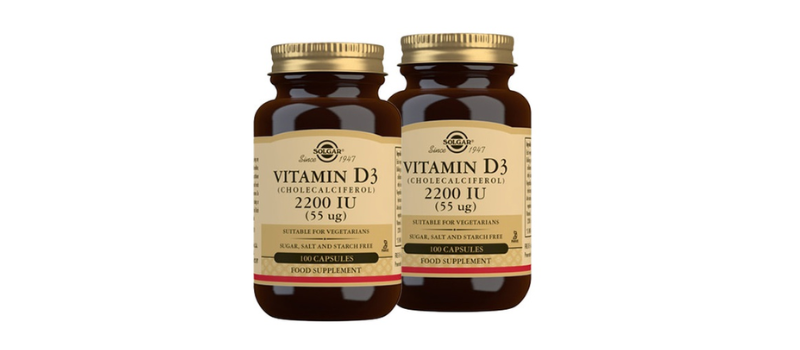
1. Solgar Vitamin D3 2200 IU – Softgels
- Type: D3 of animal origin
- Format: Softgels (soft capsules)
- Certifications: GMP, gluten-free, dairy-free
Ideal for: Adults with low levels or little sun
Analysis:
Solgar is a brand known for its pharmaceutical-grade quality. This presentation contains 2200 IU per capsule, a balanced dose for those looking to boost their levels without excess. Its softgel format improves absorption, as it is dissolved in oil. Highly valued for its purity and for not causing digestive discomfort.
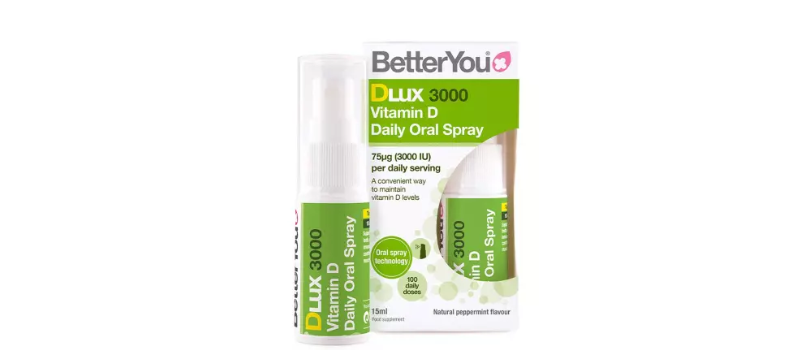
2. BetterYou Vitamin D3 Oral Spray 3000 IU – Vegan
- Type: Vegan D3 (from lichens)
- Format: Oral spray
- Certifications: Vegan, gluten-free, cruelty free
Ideal for: People who avoid capsules or have absorption issues
Analysis:
One of the most innovative options on the market. This sublingual spray offers fast and convenient absorption. Each spray provides 3000 IU of vitamin D3, perfect for those who require a high dose. Suitable for vegans, with a neutral flavor and no unnecessary additives. Its format is ideal to carry in a bag or use on the go.
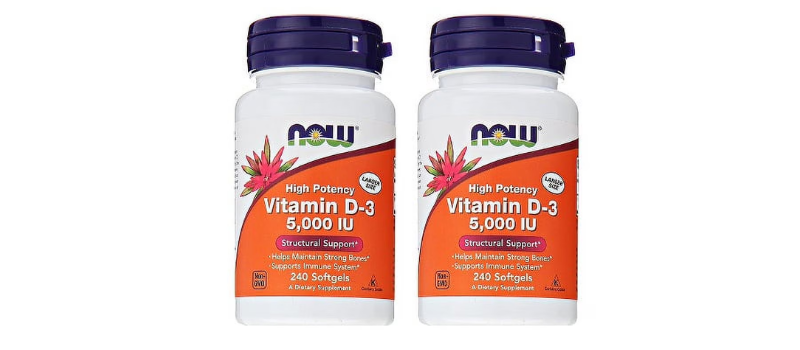
3. Now Foods Vitamin D3 5000 IU – High potency
- Type: D3 from lanolin
- Format: Softgels
- Certifications: GMP, soy-free, gluten-free
Ideal for: People with confirmed deficiency or therapeutic needs
Analysis:
With 5000 IU per capsule, this option is recommended for deficiency treatments, always under medical supervision. Despite its high concentration, it is well tolerated and manufactured under strict quality standards. It is one of the best-sellers in the US and offers excellent value for money.
4. Vitashine D3 1000 IU – Certified vegan vitamin D
- Type: Plant-based D3 (lichens)
- Format: Tablets
- Certifications: Vegan by the Vegan Society, free of artificial additives
Analysis:
Vitashine was one of the first brands to offer truly vegan vitamin D3. Its tablets are small, easy to swallow and 100% free of animal ingredients. Although its daily dose is lower (1000 IU), it is ideal for maintenance or as a supplement to a balanced diet with some sun exposure.
5. Deva Nutrition Vitamin D2 2400 IU – Economical and vegan option
- Type: D2 (ergocalciferol)
- Format: Tablets
- Certifications: Vegan, non-GMO, gluten-free
Analysis:
Although vitamin D2 is not absorbed as efficiently as D3, it remains useful for those seeking an affordable vegan option. Deva Nutrition is a brand specialized in vegan supplements and offers products with good traceability. It’s a valid option for those who do not require high doses and prioritize price.
Conclusion: how to choose the perfect vitamin D for you
Choosing the right vitamin D doesn’t have to be complicated, but it does require paying attention to several important factors: the type of vitamin (D2 or D3), the format that best fits your routine, the recommended dose, and, of course, the product quality.
As you’ve seen throughout this guide, there isn’t a single universal "best vitamin D," but the best option will be the one that aligns with your personal needs, your lifestyle and your health goals. Whether you prefer soft gels, drops, sprays or tablets, the essential is to choose a reliable brand, with clear labels, recognized certifications and good reviews from other users.
Additionally, if you have doubts about your current levels or need a specific dose, getting a blood test can give you the confidence that you are taking exactly what you need, nothing more and nothing less.
Ultimately, investing in a good vitamin D supplement is a smart decision to look after your bone, immune and overall health. With the right information, you’re now much more prepared to make a conscious, safe and effective choice.
Your body will notice it.