





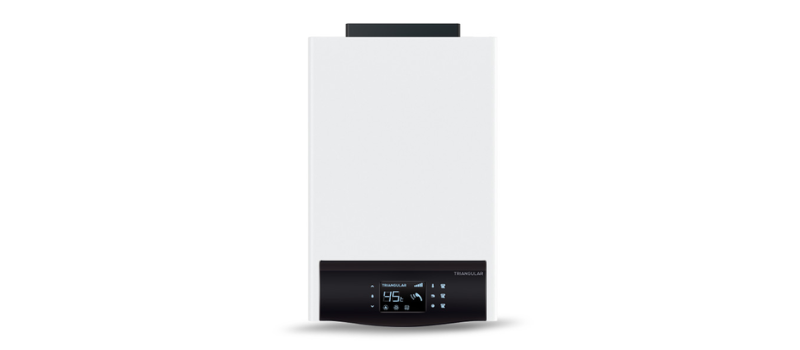
Hot water is one of those small luxuries that, when missing, becomes a great necessity. From the morning shower to washing dishes after dinner, having a constant and efficient supply is part of the essential comfort in any home. However, behind that apparent simplicity lies an important decision: choosing the system that will make it possible for the water to reach the perfect temperature.
In 2025, two options continue to dominate the domestic scene: electric water heaters and butane gas heaters. Both fulfill the same function, but they do so with very different technologies, costs and user experiences. It’s not just a matter of price or power; there are factors such as energy consumption, maintenance, safety and even environmental impact that make the difference.
This article proposes a clear and practical look at each type of heater, analyzing its strengths, its limitations and, above all, in which cases one can outperform the other. The idea is not to dictate a single answer, but to offer the information needed so that the final choice is the most appropriate for the needs of each home.
What is a water heater and how does it work?
The water heater is an indispensable device in modern life. Its mission seems simple: raise the water temperature for domestic or industrial use. However, behind that function there is a system designed to operate efficiently, safely and adapted to different consumption needs. Understanding how it works and its variants helps explain why certain models are more suitable in some circumstances than in others.
Definition and main use
A water heater is a device that takes cold water from the mains or a reservoir and heats it until reaching the desired temperature. Heat is transferred through electrical resistances or through combustion of a gas, such as butane or natural gas. Its main use is to guarantee hot water for showers, baths, household cleaning, laundry and, in some cases, for processes that require a continuous flow of hot water, such as in restaurants, gyms or workshops. The capacity of a water heater is measured in liters and its power influences the speed and stability of the supply.
Most common types on the market (electric, butane gas, natural gas, etc.)
Currently, the most common types are:
- Electric water heaters: operate using internal resistances that heat the water progressively. They are usually easy to install and do not require special ventilation.
- Butane gas water heaters: generate heat from the combustion of gas in an internal burner. They stand out for heating the water quickly and steadily.
- Natural gas heaters: similar to those of butane, but connected to a fixed supply network, which eliminates the need for cylinders.
- Hybrid or solar systems: combine electricity or gas with solar energy, improving efficiency and reducing environmental impact.
Basic components and heating process
Although they vary in size and technology, most heaters share essential components: a tank or exchanger where the water accumulates or passes, a heating system (electric resistance or gas burner), thermostats to regulate the temperature, safety valves and, in some cases, thermal insulation to conserve heat.
The process is simple: cold water enters through an inlet pipe, passes through the heating system, and once it reaches the configured temperature, it is directed toward the consumption point. All this happens in a matter of seconds in instantaneous models, or in minutes if the system is storage-type.
Butane water heater: characteristics, advantages and disadvantages
The butane water heater remains one of the most used options in many homes, especially in places where natural gas supply is not available or where an alternative with good response is sought. Its popularity is not only due to its speed in heating water, but also to its relatively low initial cost. However, like any system, it presents both benefits and limitations that are worth analyzing before making a decision.
Operation of a butane gas heater
This type of heater uses the combustion of butane gas as an energy source to heat the water. The process begins when a hot water tap is opened: a sensor detects the flow and activates the internal burner. The butane gas, stored in cylinders, mixes with the air and ignites, generating a flame that transfers heat through a metal exchanger.
Cold water flows through this exchanger, absorbing the heat before leaving toward the domestic installation. Once the tap is closed, the burner automatically shuts off, avoiding unnecessary gas consumption.
Advantages
- Thermal efficiency: butane has a high calorific value, which allows reaching the desired temperature in a few seconds.
- Energy cost: in many regions, the price of butane is competitive with electricity, which can translate into lower bills, especially if hot water consumption is high.
- Heating speed: as it is an instant system, it does not require a storage tank; the water heats up at the moment you open the tap.
Disadvantages
- Periodic inspection: as it operates with combustion, it requires regular technical inspections to ensure safe and efficient operation.
- Dependence on cylinders: it is necessary to replace butane cylinders when they are empty, which implies monitoring supply and storage.
- Safety: the use of gas requires proper installation, good ventilation and measures to prevent leaks or dangerous accumulations.
Approximate cost and lifespan
The price of a domestic butane water heater typically ranges between 150 and 400 euros, depending on the brand, capacity and additional features such as electronic ignition or flame modulation. Its average lifespan is between 8 and 12 years, provided it receives proper maintenance. Factors such as water hardness, gas quality and frequency of use can shorten or prolong its optimal performance.
In short, the butane heater is a practical option for those seeking speed and efficiency, but it requires commitment to safety and supply management.

Electric water heater: characteristics, advantages and disadvantages of the electric heater
The electric water heater, an energy-efficient option from brands like Ariston or Cointra, is one of the most widespread solutions for obtaining hot water in homes and small businesses. Its operation is simple, it does not require connection to a gas network and, in many cases, it is installed without major modifications to the dwelling. Moreover, electricity is available virtually anywhere, making it an accessible alternative for areas without a canalized gas supply or where relying on cylinders is undesirable.
How an electric heater works
This type of heater, whether vertical or horizontal, uses electrical resistances to raise the water temperature. Depending on the model, it can be instantaneous (heats the water as it passes through a coil connected to the resistance) or storage (has a tank that keeps the water hot ready for use).
The process begins when cold water enters the unit: the electric resistance is activated and transfers heat to the water, which is regulated by a thermostat. In storage models, the thermal insulation of the tank helps conserve the temperature, reducing the need for frequent heating cycles.
Advantages
- Simple installation: does not require gas pipes, special ventilation or exhaust outlets.
- Reduced maintenance: inspections are minimal and usually focus on cleaning sediments or checking the magnesium anode in storage models.
- Safety: since it does not use fuels, it eliminates risks of gas leaks or carbon monoxide poisoning.
- Universal availability: can be installed in almost any dwelling with access to electricity, even in remote locations or with limited space.
Disadvantages
- Electrical consumption: can noticeably increase the bill, especially in areas with high tariffs.
- Heating time: in storage models, the water takes several minutes to reach the desired temperature, and if the tank is emptied, you have to wait for it to heat again.
- Energy cost: although the equipment may be cheaper than gas, the monthly electricity expense tends to be higher in the long term.
Approximate cost and lifespan
The price of an electric heater varies according to its capacity and type: small instant models can cost between 100 and 200 euros, while storage models with large tanks exceed 300 euros. Its average lifespan ranges from 8 to 10 years, although proper maintenance and moderate use can extend it.
In short, the electric heater is a practical, safe and easy-to-install option, ideal for homes with moderate hot water consumption and where electricity is affordable.
Which is the best option for you in 2025? Comparison
Choosing between an electric water heater and a butane gas one is not simply a matter of personal preference; it involves assessing the type of home, the real use of hot water, long-term energy costs and installation possibilities. In 2025, the energy context is more complex: electricity tariffs vary by time of day, the price of butane fluctuates, and sustainability has become a key factor for many families.
Therefore, more than giving a single answer, what matters is to analyze individual circumstances and cross them with the characteristics of each system. In this way, the decision will not only be more accurate, but also more cost-effective and efficient in the long term.
Factors to consider (type of dwelling, number of people, use, budget)
Type of dwelling
- Small apartments or studios: they tend to benefit from electric heaters, as they do not require large capacity or space for cylinders.
- Single-family homes or rural: in many cases, butane is more viable, especially if there is no access to natural gas and a quick and powerful supply is sought.
Number of people in the home
- 1-2 people: a small storage electric heater or an instantaneous one usually covers the needs without large costs.
- Large families: the butane heater offers a more continuous supply, avoiding running out of hot water during consecutive showers.
Usage and frequency
- Occasional use (second homes): butane can be more practical, since it is only consumed when the equipment is turned on.
- Heavy use: it is necessary to calculate the monthly cost, as an electric heater in constant use can raise the bill.
Initial budget and maintenance
- The electric option usually has a lower purchase and installation cost, but the monthly expense can be higher.
- Butane involves periodic inspections and cylinder purchases, but its energy cost can be lower depending on consumption.
Recommendations according to user profile
- Single person or young couple in the city
A compact electric heater is the most comfortable option. Its installation is quick, it requires no extra space and there is no need to worry about replenishing cylinders. Additionally, with moderate consumption, the impact on the bill will be manageable.
- Family of four or more
The butane heater is more advisable, as it provides unlimited hot water as long as gas is available. It is ideal for homes with several bathrooms and simultaneous uses.
- Rural housing without access to piped gas
Butane is almost always the best choice, as it does not depend on a robust electrical grid or tariffs that penalize consumption at certain hours.
- User who prioritizes sustainability
An electric system combined with solar thermal panels or photovoltaic panels can be the most ecological alternative. Although the initial investment is high, in the long term it pays off and reduces the carbon footprint.
- Second home or occasional use
Butane is convenient because it does not consume energy when not in use, avoiding unnecessary fixed costs.
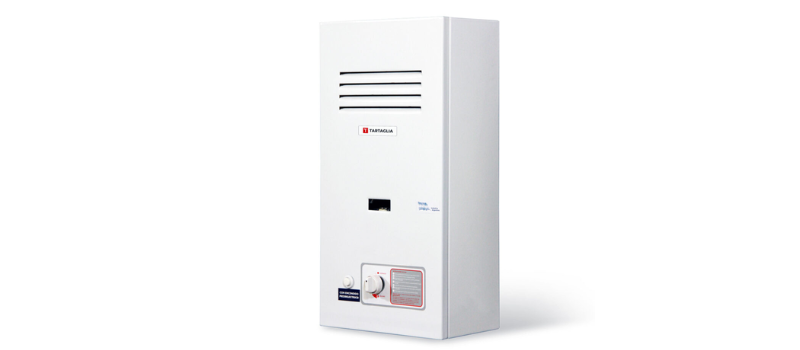
Trends and emerging technologies
In 2025, the water heater industry is adopting innovations that aim to improve efficiency, reduce environmental impact and facilitate user control:
Hybrid water heaters
They combine electricity and gas to optimize consumption based on the price and availability of each energy. Some models automatically decide which source to use to save costs.
Integration with renewable energies
The rise of solar panels is driving systems that use solar thermal energy to preheat the water, thereby reducing the workload of the main heater. This noticeably reduces electricity or gas consumption.
Smart control
Wi-Fi connectivity allows adjusting the temperature and scheduling ignition from a mobile app. You can even receive maintenance alerts or consumption level notices.
More durable and efficient materials
New heat exchangers and resistances are made from corrosion-resistant alloys with better heat transfer capabilities, extending the life of the equipment.
Micro storage systems
A technology designed to reduce the wait time until hot water comes out at taps, avoiding the waste of liters while the temperature stabilizes.
Conclusion
Both electric heaters and butane gas heaters have solid arguments to earn a place in any home. The key is not to look for an absolute winner, but to identify which of them fits best with the real needs of each user. In 2025, options are more varied and technologically advanced than ever, enabling a supply of hot water that is efficient, safe and adapted to different lifestyles.
If installation ease, safety and minimal maintenance are prioritized, the electric heater remains a very attractive option, especially in small homes or with moderate consumption. On the other hand, the butane heater proves its strength in homes with high demand, where heating speed and a constant supply make the difference.
The good news is that both systems, well chosen and maintained, offer reliable performance for many years. The final decision should be based on an honest analysis of consumption, the available budget and, increasingly, the environmental impact we are willing to assume.