





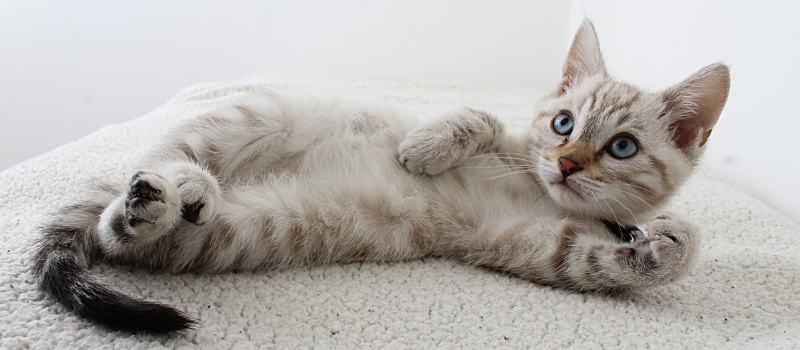
Adopting a cat is one of those decisions that can change your life. If you're reading this, it's likely you already have your new companion at home or you're about to. Congratulations! There's nothing like sharing day-to-day life with a cat: its companionship is quiet but comforting, its personality unique, and its affection... well, it gives it in its own way.
That said, although cats are fairly independent animals, that doesn’t mean they don’t need care or certain essential products to live comfortably, safely, and happily. Preparing your home with the basics from the start is key so your cat adapts quickly and stress-free. Moreover, having the right accessories will make your life as an owner easier and help prevent health or behavioral problems.
In this basic guide for new owners, we will review the most important products your cat needs at home. From essentials like the feeding bowl and the litter tray, to toys, scratching posts and beds that will make it feel like its little paradise.
Ready to become your cat's favorite human? We'll go step by step, with everything you need to know to start off on the right foot.
The basics for their day-to-day life
When an adult cat or a kitten arrives home, there are certain items that should be ready from day one. It's not about filling the shopping cart with pretty items, but about selecting functional, safe products tailored to the animal's real needs. In this section we explain what the essential basics are for its feeding, hydration and daily well-being, especially if it's a recently adopted pet.
Food and water bowls: Which type to choose?
It may seem like a minor detail, but choosing the right food bowl and water bowl for your cat makes a difference. The material is key: stainless steel or enameled ceramic bowls are the most recommended for any feline feeding guide. They are easy to clean, do not retain odors, and, most importantly, do not release toxins or alter the taste of the complete food.
Avoid plastic containers, even if they seem practical or inexpensive. This material can easily harbor bacteria and cause skin allergies, especially in sterilized cats, which may be more sensitive.
Another aspect to consider is stability. There are anti-tip models with rubber bases or heavier designs that prevent the dish from sliding as the cat eats or drinks. You can also opt for elevated feeders, ideal for senior cats or those with joint problems, as they allow them to maintain a more comfortable feeding posture.
Cat food: dry, wet or natural
The type of cat food you choose will depend on several factors: your cat's age, health status, metabolism, activity level, and, of course, your possibilities. There isn't a single perfect formula, but there are guidelines to help you make a good decision.
Dry kibbles are practical, last longer once opened, and help maintain dental health by reducing tartar buildup. On the other hand, wet food is usually more appetizing and has higher water content, ideal for sterilized cats or those who tend to drink little.
In recent years there has also been growing interest in natural feeding or BARF, based on raw ingredients such as salmon, prepared at home or bought in specialized stores. If you're interested in this option, it's essential to consult with a veterinarian or a feline nutrition expert, as an imbalanced diet can cause serious nutritional deficiencies.
Whatever type of food you choose, make sure it is suited to your cat's life stage: kittens, adults or senior. Read the labels and look for products with animal proteins as the first ingredient, with no excess cereals or by-products. Not always the most expensive brand is the best, but it should provide a clear feeding guide for cats and a transparent composition.
Water source: Is it really necessary?
Yes, and much more than it seems. Unlike dogs and free-roaming cats, domestic cats do not always feel a strong need to drink water. In the wild they obtain much of their hydration from their prey. At home, if they only eat dry kibble, they risk not hydrating enough, which can affect their nutrition and cause urinary or kidney problems.
Water fountains for cats have become very popular because they stimulate water intake thanks to the constant movement. Many cats are attracted by the sound of flowing water, which encourages them to drink more often. This simple change can make a big difference in their health.
Additionally, these fountains typically include filters that purify the water and keep it fresh longer. There are quiet models, easy to take apart and clean, made from safe materials. Although their price is higher than a regular water bowl, their positive impact on health and proper cat feeding makes it a highly recommended investment.
Their resting area: comfort and security
A cat can sleep between 12 and 16 hours a day, and some even exceed that, especially in older cats. Therefore, providing a comfortable and safe space where it can rest is one of the best ways to care for it. Although they often end up sleeping in unexpected places—a box, a cushion, a chair—having a space designed specifically for its rest improves its well-being and helps it feel more relaxed at home.
Cats' beds: types and materials
The world of cat beds is broader than it seems. Not all beds are alike, nor do all cats have the same preferences. There are mainly three types: cave-style beds, open beds, and hammocks.
- The cave-style beds are perfect for shy, insecure, or newly arriving cats. They offer a closed and protected space where they can hide, sleep and observe without feeling exposed. They are very useful in the first days of adaptation.
- The open beds are more common and versatile. They come in the form of cushions, soft mattresses or circular cradles. Many cats prefer them because they allow them to stretch out completely and have good ventilation, especially in hot seasons.
- Finally, the cat hammocks —whether window, radiator or leg-mounted— have become very popular. They offer a sense of height, something many felines adore, and also take advantage of the warmth around them. That said, it's important that they are well installed to prevent accidents.
As for the materials, the ideal is that they be soft yet durable. Fabrics like cotton, velvet, or fleece are warm and pleasant. It is also essential that the bed has a non-slip base if placed on smooth surfaces.
Where to place the bed?
Location is as important as the bed itself. Choose a quiet place, away from drafts, constant noises, or high-traffic areas. Cats like to sleep where they feel safe and comfortable. They often prefer elevated corners, such as shelves or furniture, where they can sleep without being bothered and maintain visual control of their surroundings.
You can also try offering several options in different parts of the house. This way the cat will be able to choose according to the time of day, the temperature or its mood.
Blankets and throws: an extra touch of warmth
Small blankets or throws are an ideal addition to any bed. They not only provide warmth but also serve as comforting elements, especially for cold-sensitive, ill, or recently adopted cats.
A blanket with your scent can help the cat adapt more quickly to its new home. It is also useful if you travel with it or need to take it to the vet, as it provides a familiar reference.
Additionally, blankets help keep the bed cleaner for longer. Just shake them out or wash them regularly to ensure good hygiene. Ideally choose machine-washable, quick-drying blankets. Avoid fabrics that shed a lot or easily accumulate hair.
Finally, having several blankets will allow you to rotate them and always keep a clean and comfortable space for your cat with little effort.
Hygiene and basic care
Maintaining good hygiene in the cat's environment is essential for its health, but also for daily coexistence at home. Although felines are clean by nature —they groom themselves constantly and avoid dirtying their spaces— they need our help to keep certain habits and items in optimal conditions. Below we explain the key points to care for its hygiene and well-being from day one.
Litter tray: open, closed or automatic
Choosing the right litter tray can make the difference between a good hygiene routine or behavioral problems. There are three main types: open, closed and automatic, and each has its advantages and disadvantages.
Open litter boxes are the most basic. They are easy to clean and allow the cat good visibility, which is important for felines that feel insecure or live in homes with more animals. However, they can let odors escape more easily and, in some cases, allow litter to scatter outside the tray.
Closed boxes, on the other hand, offer greater privacy and help contain odors and litter dispersion. They are a good option if the litter box must be placed in common areas, but not all cats accept them. Some may feel confined or uncomfortable inside.
Finally, automatic litter boxes are ideal for those seeking convenience and constant cleanliness. These devices detect when the cat has used the tray and automatically clean the waste. Although they are more expensive, they can be very useful in households with several cats or with people who cannot clean the tray frequently.
Where to place it? The ideal place is quiet, easily accessible, but away from the food and water bowls. Avoid noisy areas, with a lot of traffic or that generate stress. If you live in a multi-level house, it's advisable to have at least one litter box per floor.
Cat litter: how to choose the best
Not all litters are equal. Choosing the right one will depend on the cat's preferences, your needs as an owner, and the home environment. The three most common types are clumping, silica, and biodegradable.
Clumping litter is very popular due to its ability to form clumps when it comes into contact with urine, making daily cleaning easier. It controls odors well and is usually accepted by most cats.
Silica litter is made of absorbent crystals that capture liquids and odors for several days. Although it does not form clumps, it requires less maintenance and is ideal for those who cannot clean the litter box every day.
Biodegradable litters, made from materials such as corn, recycled paper, or wood, are an eco-friendly and safe option. They have good absorption and are gentle on paws, though odor control can vary depending on the brand.
Whatever your choice, the most important thing is that it is pleasant for the cat. Switching types without a proper transition can cause rejection or accidents outside the litter box.
Brushes and nail clippers
Regular brushing not only keeps the fur clean and knot-free, but also helps reduce the amount of loose hair in the home and hairballs the cat could swallow while grooming.
For short-haired cats, a rubber or glove-type brush is sufficient. For long-haired cats, it is advisable to use long-toothed metal combs or soft-bristle brushes, which penetrate the coat better without harming the skin.
In terms of frequency, ideally brush between two and three times a week, though some cats enjoy the process so much you can do it daily.
Trimming the nails isn't always necessary if the cat has good scratching posts, but indoors it's advisable every two or three weeks, especially if there are elderly people or children at home. Use a cat-specific nail trimmer, hold firmly but do not force it, and cut only the transparent tip, not reaching the pink part (the quick), to avoid bleeding and discomfort.
With patience and positive reinforcement, this process can become another routine of care and trust.
Toys and mental stimulation guide
Many people think that cats are calm animals that only need to eat and sleep. However, playing with them is essential for their physical and emotional well-being. It doesn't matter whether your cat is very active or more relaxed: all of them, to a greater or lesser extent, need mental stimulation and daily physical activity.
Why playing with your cat is key?
Play is not only a form of entertainment, but a vital tool for preventing boredom and stress. A cat that doesn't have a way to channel its energy may develop unwanted behaviors such as biting, scratching furniture, or becoming excessively apathetic.
Additionally, play activates its natural hunting instincts: stalking, jumping, chasing. These activities help it stay in shape, improve coordination, and release built-up tensions. It is especially important for cats that live exclusively indoors, since they do not have access to the outdoors to explore.
As if that weren't enough, playing regularly strengthens the bond between the cat and its human. Although cats are more independent than dogs, they enjoy contact and interaction, especially if the play matches their tastes and pace.
Recommended toys for active or calm cats
There are many types of toys, and each cat may have its favorites. The goal is to try different options until you find the ones it likes most.
More active cats tend to enjoy feather wands, small balls that they can push or chase, and laser pointers, though the latter should be used carefully and always ending the play with a real prey (such as a physical toy) to avoid frustration.
For calmer cats, interactive toys like moving mice, tunnels or feeders can spark their curiosity without demanding too much energy. There are also autonomous toys, powered by battery or timer, that stimulate the cat even when it's alone at home.
Rotating or updating toys from time to time also helps keep interest. The important thing is that play becomes part of its daily routine, even if it's only 10 or 15 minutes. An engaged cat is a healthier and happier cat.
Spaces to climb and scratch: products for cats
Cats are territorial, curious and very active animals, so they need spaces where they can express themselves freely. Two of their most important natural behaviors are climbing and scratching. Ignoring them can lead to problems at home, such as damaged furniture or frustrated cats. That's why having scratching posts and vertical structures is key to their well-being.
Scratching posts: protect your furniture with style
Scratching is not a bad habit; it's part of the cat's nature. They do it to sharpen their claws, mark territory and relieve tension. The key is to offer an attractive scratching post that motivates them to leave your sofas, carpets, or curtains alone.
There are several types:
- Vertical scratching posts, such as tall posts that allow the cat to stretch fully.
- Horizontal, ideal for cats that prefer scratching the floor.
- Cardboard, inexpensive and highly appreciated by many felines.
- Sisal, more durable and sturdy.
To attract the cat to the scratching post, place it near the areas where it tends to scratch. You can rub it with a bit of catnip (catnip herb), play near it with a string or reward it when it uses it. It’s also helpful to have more than one, especially if you live in a large space or with several cats.
Moreover, today there are modern and aesthetic designs that integrate perfectly with home decor. It’s no longer necessary to hide the scratching post in a corner: it can be part of the environment.
Cat trees and wall shelves
Vertical spaces are essential for many cats. They love to observe from above, feel safe, and explore different levels. A cat tree serves several functions: it offers platforms to climb, rest and scratch, all in one piece of furniture.
On the other hand, wall-mounted shelves or elevated pathways are a modern alternative that can fit your home's style. Installing shelves, bridges, or small platforms creates a dynamic environment without taking up much floor space.
In addition to entertaining the cat, these elements reduce stress and allow it to move freely, which is very useful in small homes or homes with other animals.
Investing in this type of structure not only improves your cat's life, but also protects your furniture and enhances the home with solutions designed for both humans and felines.
Conclusion
Having a cat at home is a wonderful experience, but it also involves commitment and preparation. As you've seen throughout this guide, there are a number of basic products that not only make the cat's adaptation to its new environment easier but also contribute to its health, safety, and daily happiness.
From the appropriate litter box and feeding bowls, to a cozy bed, stimulating toys and strategic scratching posts, each element plays a key role. Investing in these products isn't an unnecessary expense, but a smart way to prevent problems, foster good habits, and strengthen the bond with your cat from day one.
It doesn't matter if this is your first cat or if you already have experience: every feline has its own personality and needs, but with a well-prepared base, everything will be easier. Observe your cat, try different options, and adjust according to what it likes most.
Your home, with the right care, can become a true feline paradise. And when you see it resting calmly, playing with enthusiasm, or approaching you with confidence, you'll know that every choice was worth it.
Ready to start this new adventure together? Your cat will thank you, every day, in its own way.