






Starting to practice volleyball can be as exciting as it is challenging, especially when it comes to preparing with the right gear from day one. Although this sport doesn't require a large initial investment, having the essential products makes a real difference in comfort, performance, and safety during training sessions and matches.
For those just starting in this discipline, it’s common to feel overwhelmed by the variety of items available. However, it’s not about having everything, but about having the basics that are functional to start on the right foot. A ball with the right characteristics, shoes that offer good support, or knee pads that help prevent injuries are just some of the key elements that can make the learning experience much more positive.
This article is designed to guide you step by step in identifying the most advisable products for those taking their first steps in volleyball. You’ll find a detailed and well-explained list that will help you understand why each item is useful and when it’s appropriate to incorporate it into your equipment. If you’re starting out or you’re preparing someone to start in this sport, here you’ll find a solid foundation to begin with confidence and without complications.
Why Is It Important to Choose Your Volleyball Equipment Wisely?
When you start practicing volleyball, many think that any ball or a pair of sports shoes is enough to train. However, having proper equipment from the start not only improves the experience, but also directly influences progress, motivation, and injury prevention. Spent time learning what a beginner really needs can make the difference between comfortable and safe practice, or one that ends in frustration or physical discomfort.
Comfort, Safety, and Performance from Day One
A well-chosen set of gear offers three key benefits: comfort, safety, and better performance. These aspects are not exclusive to advanced players; on the contrary, for beginners they are even more relevant.
Comfort allows you to focus on learning technique, without distractions caused by tight clothing, slipping shoes, or a ball that’s hard to control. Well-fitted knee pads, for example, provide safety in the most basic movements, such as diving to the floor to receive a ball. That sense of protection builds confidence and facilitates a more active attitude and participation during training sessions.
Performance, for its part, is not only about playing better, but about learning more effectively. Using a ball with the appropriate weight and size for beginners, for example, helps develop better coordination and reduces the risk of injuries to wrists or fingers. Thus, learning becomes more fluid and less frustrating.
Avoiding Unnecessary Purchases or Inappropriate Products
One of the most common mistakes when starting out in volleyball is purchasing items that do not match the learner’s level. Whether from a lack of knowledge or being swayed by aesthetics, it’s easy to end up with products that don’t serve a real function or even hinder the learning process.
Moreover, there are important differences between equipment designed for beginners and that intended for experienced players. For example, high-end shoes may seem attractive, but if they aren’t suited to the type of surface where you train or to the user’s level of demand, they may not offer the expected benefits.
Doing thorough research before adding new items to your gear helps avoid unnecessary expenses and build a solid, functional, and durable base. In this way, each product serves a clear purpose and contributes to the player’s development without excess or complications.
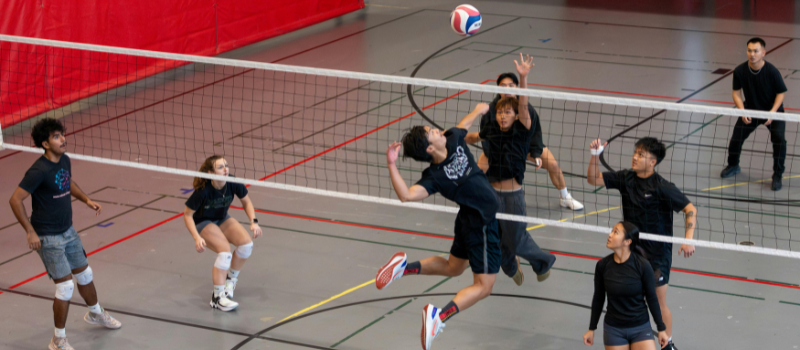
Basic Equipment and Products to Start Volleyball
Having the right equipment from the first trainings not only improves the overall experience but also facilitates technical learning, protects the player, and helps keep personal organization in check. Below is a list of essential products for any beginner who wants to start volleyball safely and practically.
Volleyball Ball for Beginners
The ball is, without a doubt, the central element of this sport. For beginners, it’s essential to opt for a model suited to their level. Ideally, it should have a moderate weight, lighter than professional balls, and be made from soft-touch materials, such as microfiber or synthetic leather. This helps avoid discomfort in the arms or fingers during longer training sessions.
As for size, the official size for adults is usually number 5, but some manufacturers offer intermediate models designed specifically for youths or beginners, which facilitates control and improves passing and serving technique.
Volleyball-Specific Shoes
Although it may seem that any sport shoe will do for training, shoes designed for volleyball offer key features that make a difference: good cushioning for frequent jumps, adequate traction to prevent slips on indoor courts, and lateral stability that protects the ankles during rapid movements.
This type of footwear helps prevent common injuries, such as sprains or muscle overloads, and gives the player more confidence during movements. The best choice is that they fit well to the foot, aren’t too tight, and are designed for indoor use.
Comfortable and Appropriate Sportswear
Volleyball training clothing should be lightweight, breathable, and allow full freedom of movement. Shorts and jerseys made from technical materials—such as polyester or moisture-wicking fabrics—are ideal for keeping the body dry and cool during practice.
Avoid overly loose garments or items with uncomfortable details, such as zippers or thick seams, to improve overall comfort and avoid distractions. In cold environments or during warm-ups, you can add a lightweight jacket or athletic pants.
Knee Pads
Knee pads are an essential accessory for any beginner. In the early learning stages, it’s common to perform awkward movements or frequent falls while attempting to receive the ball or dive for it. Knee pads protect the joints from impacts and scrapes, helping to prevent injuries that could slow progress.
There are models with dense padding that provide excellent impact absorption without limiting natural leg movement. It’s important that they fit well around the knee and don’t slip during activity.
Backpack or Sports Bag
Having a dedicated place to store and transport all the equipment helps with organization and prevents forgetfulness. A backpack or sports bag with compartments allows you to separate footwear, wet clothes, and personal items, keeping everything clean and accessible.
It’s advisable to choose a durable model with sturdy zippers and comfortable straps, especially if you’ll be carrying it over long distances or on public transport.
Water Bottle and Personal Towel
Staying hydrated is essential during any training session. A reusable bottle ensures water is always at hand and encourages frequent drinking, which is crucial in physically demanding sports like volleyball.
The personal towel, for its part, helps to maintain hygiene, dry sweat between exercises or at the end of the session, and prevent bacteria from proliferating on common surfaces. Both items, though simple, complete the basic gear of any player who wants to train responsibly and take care of themselves.
Optional but Recommended Equipment
In addition to the basic gear, there are certain items that, while not essential to start playing volleyball, can add significant value. These optional products are designed to enhance training, prevent specific discomfort, or facilitate practice in less conventional contexts, such as outdoors or at home. Below is a selection of recommended items to complement your gear intelligently.
Ankle Braces or Support Straps
Elastic ankle braces or support straps are not usually part of the initial equipment, but they are very useful for those seeking greater stability or who have previously suffered discomfort in this area. In volleyball, constant jumps and rapid direction changes put pressure on the joints, especially the ankles.
Using ankle braces provides a sense of firmness that can prevent sprains and give more confidence during lateral movements or landings after a jump. It isn’t mandatory to use them from day one, but it is advisable in cases of joint weakness or as a preventive measure when the level of intensity rises.
Gloves or Finger Protections (As Needed)
While not all players use them, sports gloves or finger protections can be beneficial in certain situations, especially in initial trainings where contacts with the ball are not yet fully mastered. Fingers and hand joints are particularly sensitive to poorly executed hits, inaccurate receptions, or poorly positioned blocks.
These protections, which may be light wraps or silicone supports, help prevent minor sprains and provide greater safety when striking the ball. They aren’t intended to be used all the time, but can be useful when performing repetitive drills or if there is a specific complaint.
Portable Net for Outdoor Practice
A portable net is an excellent option for those who want to train beyond the gym or usual court. Ideal for use in courtyards, parks, or beaches, it allows you to have games or drills in a more relaxed setting, promoting free practice and group play.
These nets are typically lightweight, easy to set up, and height-adjustable, making them perfect for both beginners and occasional players. Although they don’t replace structured training, they offer an extra opportunity to improve skills such as serving, placement, or reception while enjoying the outdoors.
Set of Cones or Markers for Home Training
A set of cones, discs, or markers is a simple but very useful tool for organizing exercises in limited spaces. They can be used to define zones, establish movement routes, or simulate positions on a court.
These accessories are ideal for those who want to train on their own or practice specific movements at home, such as lateral movements, explosive starts, or changes of direction. They are also helpful for coaches or instructors who work with beginners, as they facilitate visualization and understanding of the drills.
Tips for Choosing High-Quality Products Without Overspending
Starting volleyball doesn’t mean you have to make a large investment from the first moment. With good planning and some judgment, you can assemble functional, comfortable, and durable equipment without breaking the budget. The key is to know which aspects to value in each product and how to identify options that offer a good quality-price ratio.

What to Look for When Buying Your First Ball or Shoes
Both the ball and the shoes are two of the most important elements of the initial equipment, so it’s worth paying special attention to them.
In the case of the ball, it’s advisable to opt for one with official size and weight but with softer materials, designed for beginners. Models with a microfiber or synthetic leather cover offer a better feel and reduce impact on arms and hands. Also, make sure it is suitable for indoor use if you’ll train indoors.
For shoes, prioritize those that offer good cushioning and traction, especially if you’ll play on indoor courts. Look for models with a non-slip rubber sole, good lateral support, and a structure that fits the foot well without squeezing. It’s not necessary to choose the professional range; many mid-range lines meet the needs of beginners perfectly.
Brands Recommended for Beginners
There are several brands that offer lines specifically for beginners or intermediate levels, with reliable products at affordable prices. Some of the most recognized in volleyball are:
- Mikasa: known for durable balls with good control.
- Molten: ideal for school trainings and tournaments.
- Asics: stands out for shoes designed especially for volleyball.
- Mizuno: offers technical footwear with good stability and grip.
- Nike and Adidas: also offer versatile options that can work well at beginner levels.
Conclusion
Starting volleyball with the right equipment not only improves the experience from day one but also facilitates a safer, more comfortable, and more motivating learning process. While you don’t need everything from the start, having the basics —such as a good ball, appropriate footwear, and knee protection— makes a real difference in daily practice.
As you progress, incorporating optional items like ankle braces, cones, or a portable net can enrich training and offer greater versatility. The key is to build a functional kit that meets your needs and accompanies you at every stage of the process.
With informed choices and a practical approach, it’s entirely possible to gear up well without overspending. Remember: quality doesn’t always mean a high price, but rather knowing what truly adds to your progress.
If you’re about to take your first steps in volleyball, this guide can be your starting point to begin with confidence and enthusiasm.